

Choosing the right fastener can make or break your deck project. Deck screws, carriage bolts, and lag bolts each serve different jobs, but mixing them up wastes time and money. Let’s cut through the confusion so you can pick the perfect fasteners for decking, fencing, pergolas, and more. Ready for quick tips on materials, sizes, and installation that save headaches? 🔩🛠️ #DeckScrews #CarriageBolts #LagBolts #DIY #XtremeEdeals
Choosing the Right Fastener
When it comes to building your dream deck or fence, choosing the right fastener is crucial. Let’s break down the best options so you can make an informed choice for your next project.
Deck Screws: Ideal Uses and Benefits
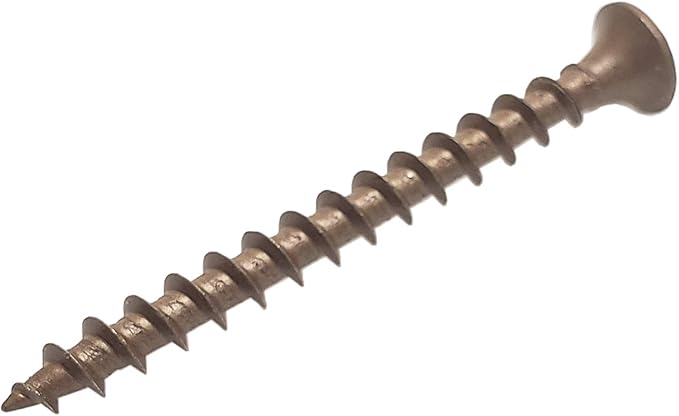
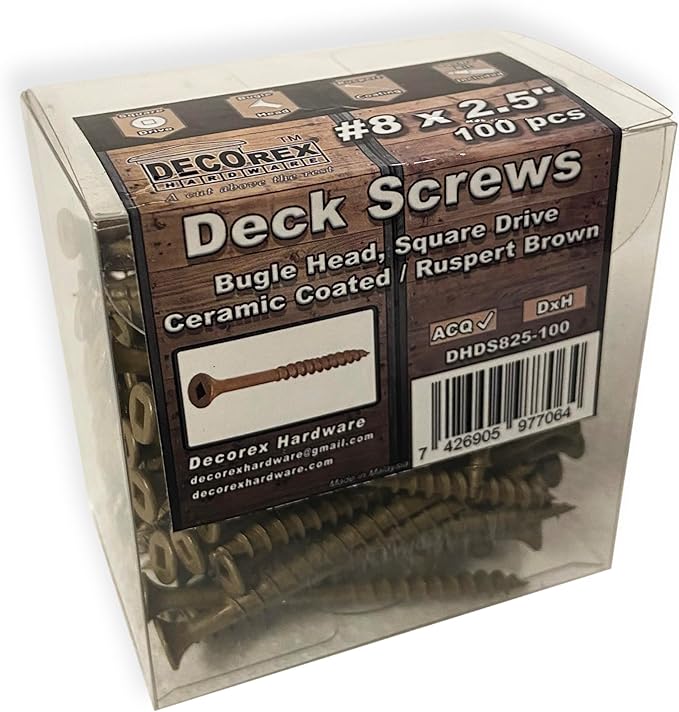
Deck screws are your go-to for most wood projects. They are perfect for applications where you need to secure wood without splitting it. These screws have a sharp point and a wide thread that grips wood tightly, reducing the need for pilot holes. A key advantage is their corrosion resistance, especially when you choose stainless steel options. Stainless deck screws are great for outdoor jobs like decks and pergolas because they stand up to weather. They are also easy to remove if adjustments are needed, saving you time and hassle.
If you’re planning on building a deck, deck screws are a must-have. They are designed to hold decking boards securely in place, ensuring a safe and sturdy structure. Most people think nails are enough, but screws provide greater holding power and long-term durability. For more insights on choosing the right screws, check out this discussion on Reddit.
Carriage Bolts: When to Opt for Strength
Carriage bolts are all about strength. They are the choice for projects where you need to hold heavy pieces together. These bolts have a smooth, rounded head, making them a good fit for areas where you don’t want snagging. The square section under the head grips the wood, stopping it from turning when tightened. Carriage bolts are commonly used in heavy timber construction, ensuring a strong, secure connection.
These bolts work great for connecting large wooden beams, like those in pergolas or big fences. Don’t let their simplicity fool you; they pack a punch in terms of strength and reliability. You might assume other fasteners could do the job, but for heavy-duty tasks, carriage bolts are the way to go. For more on where these bolts shine best, explore this comparative guide.
Lag Bolts: Heavy-Duty Applications
For those heavy-duty jobs, lag bolts are your best friend. These thick bolts are designed for tasks where you need maximum holding power. Their coarse threads grip firmly into wood, making them ideal for structural applications. Lag bolts are perfect for projects like mounting ledger boards or securing large timber beams. They provide the peace of mind you need when constructing something meant to last.
Most people think lag bolts are only for professional builders, but they are simple to use for any DIY enthusiast with a bit of know-how. They can withstand significant weight and stress, ensuring your project stands the test of time. If you’re curious about how lag bolts compare with other options, this informative read is worth checking out.
Material and Size Considerations
Now that you know which fastener fits your project, let’s talk about the materials and sizes that are essential for success.
Stainless vs. Hot-Dip Galvanized
Choosing between stainless and hot-dip galvanized fasteners depends on your project’s environment. Stainless steel fasteners are great for resisting rust, making them ideal for coastal areas or places with high humidity. They maintain their appearance and strength over time, even in harsh weather. On the other hand, hot-dip galvanized fasteners are coated to prevent rusting but at a more budget-friendly price. They work well in less severe conditions, where the risk of corrosion isn’t as high. Choosing the right finish ensures your project stays beautiful and strong.
Size and Strength: What to Know
Getting the right size and strength is crucial for any project. The size of your fastener affects its holding power and suitability for the job. For example, smaller screws work well for light projects, while larger bolts are necessary for heavy-duty tasks. Always check the load requirements for your project to ensure safety. Remember, using a fastener that is too small can lead to structural failure, while one too large can split wood or cause other issues.
Corrosion Resistance for Outdoor Projects
Outdoor projects need fasteners that can withstand the elements. Corrosion-resistant fasteners are essential for any outdoor build to prevent rust and deterioration. Stainless steel options are excellent for long-term outdoor use, maintaining both strength and appearance. Hot-dip galvanized fasteners offer a cost-effective alternative, providing a protective barrier against moisture. Choosing corrosion-resistant options ensures your outdoor spaces remain safe and beautiful for years to come.
Installation Tips and Safety
With the right fastener picked and materials chosen, it’s time to talk about installation. Here are some tips to ensure a smooth and safe build.
Pilot Hole and Torque Tips
Drilling pilot holes can prevent wood from splitting, especially when using larger fasteners. A pilot hole allows the fastener to grip better and reduces the pressure on the surrounding wood. Another key tip is to use the correct torque. Over-tightening can damage the fastener or the wood, while under-tightening might not secure it properly. Make sure to adjust your drill’s torque setting to match the fastener’s needs.
Avoiding Splits and Damage
To avoid splitting wood, ensure you’re using the right size fastener and drill bit. Also, keep in mind the wood’s grain direction. Fastening too close to the edge can cause splits, so always maintain a safe distance. Applying these simple precautions keeps your wood intact and your structure solid.
Building Code and Safety Notes
Always check your local building codes before starting your project. Compliance ensures your build is safe and up to standard. Safety should be your top priority, so wear protective gear and follow all safety guidelines. By doing so, you not only protect yourself but also create a secure and enduring structure.
In conclusion, selecting the right fastener is essential for any successful project. By understanding the uses, benefits, and installation tips for deck screws, carriage bolts, and lag bolts, you’ll ensure a sturdy and reliable build. Dive into your next project with confidence, knowing you’ve got the best tools in your toolkit.


