

The Ultimate Fastener Guide: Choose the Right Screws, Bolts, and Nails for Every Project
Choosing the right fasteners can make or break your project. Picking the wrong screws, bolts, or nails means wasted time, extra trips to the store, and shaky results. In this guide, you’ll get clear tips on how to choose screws that fit your needs—from decks and fences to drywall and masonry. Ready to build it right the first time? Shop our screws, bolts, and nails now—free shipping on eligible orders, bulk savings, and limited stock! 🛠️🚀 #DIY #ContractorApproved Check out this guide for more information.
Choosing the Right Screws
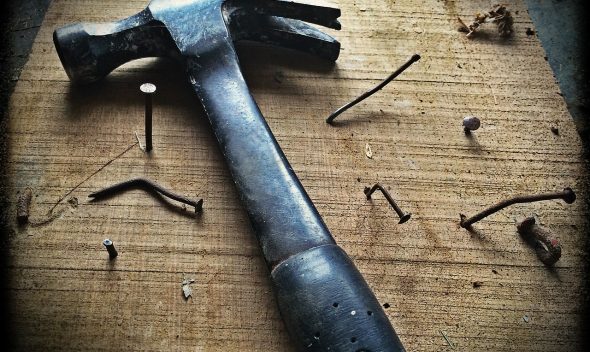
Finding the perfect screw for your project isn’t just about picking any screw off the shelf. The right choice ensures your project is secure, durable, and professional-looking. Let’s start by exploring what screws work best for various tasks.
Best Screws for Decking
Decking can be a beautiful addition to your outdoor space, but only if it’s built to last. Deck screws are your best friend here. They’re specially designed for outdoor conditions, often coated to resist rust. Look out for stainless or ceramic-coated options. These coatings make a huge difference in longevity, keeping your deck strong through rain or shine. The most popular sizes are #8 and #10, with lengths of 2.5 to 3.5 inches. Ensuring you choose the right screw will save you a headache later.
Tip: When installing, pre-drill holes to avoid splitting the wood. This small step can make a big difference in the final result.
Drywall Screws Guide
Drywall screws are essential for fastening wallboard to wood or metal. They have a bugle-shaped head that prevents tearing the paper surface. When picking these screws, consider their length—typically 1 to 1.5 inches for most jobs. They come in coarse and fine threads. Coarse-threaded screws are ideal for wood studs, while fine-threaded screws are better for metal studs. These screws ensure your drywall stays flat and secure, making finishing a breeze.
Here’s the key insight: Always aim to drive the screw so it’s slightly beneath the surface without tearing. This ensures a smooth surface ready for finishing.
Wood Screw Sizes Explained
Navigating the world of wood screws can feel overwhelming. The size you choose depends on the type of wood and the load it needs to bear. Wood screws are typically measured by gauge (thickness) and length. For lighter jobs, such as hanging small items, a #6 screw is perfect. For heavier tasks, like mounting shelves, a #8 or #10 may be necessary. Remember, longer screws provide more grip, essential for holding heavier weight.
Example: Hanging a picture frame? A #6 screw, 1 inch long, will do the trick. Need to secure a bookshelf? Opt for a #10 screw, at least 3 inches long, for maximum support.
Bolts for Every Project
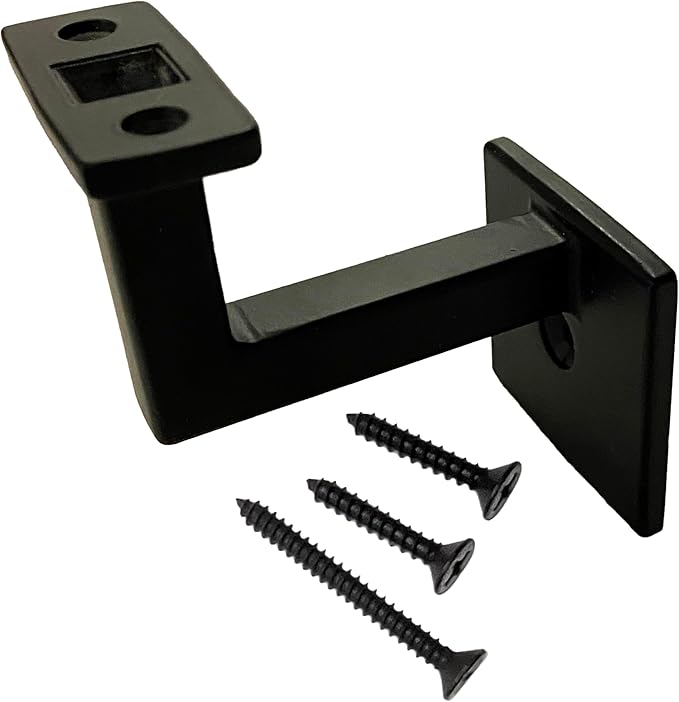
When your project needs extra strength, bolts are the answer. They provide superior holding power compared to screws. Let’s dive into the world of bolts and discover which ones suit your needs.
Lag Bolt vs Carriage Bolt
Choosing between lag bolts and carriage bolts depends on your project. Lag bolts are heavy-duty and perfect for wood. They’re great for securing beams or other heavy materials. On the other hand, carriage bolts are ideal for metal and wood connections. They have a round head, giving a clean look. Both offer excellent holding power, but it’s crucial to know when to use each.
Pattern break: Most people think bolts are only for heavy-duty projects, but they’re also excellent for decorative purposes. For instance, carriage bolts can add a rustic touch to furniture.
Shear Strength vs Tensile Strength
Understanding bolt strength is vital. Shear strength measures how well a bolt can resist forces that try to slide it apart. Tensile strength is about how much pulling force it can withstand. For projects with lateral stress, like supporting beams, focus on shear strength. For projects with pulling stress, such as hanging swings, tensile strength is key.
Statistic: A typical steel bolt can withstand up to 70,000 psi of tensile force. Knowing this ensures you pick the right strength for your project.
Pilot Hole Size Chart
Drilling a pilot hole before inserting a bolt is crucial. It prevents the wood from splitting and ensures a tight fit. The pilot hole size depends on the screw or bolt diameter. For example, a 3/8-inch bolt requires a 5/16-inch pilot hole.
Micro-commitment: “Here’s the key insight…” Always refer to a pilot hole chart to get it right the first time, saving you time and materials.
Nails and Specialty Fasteners
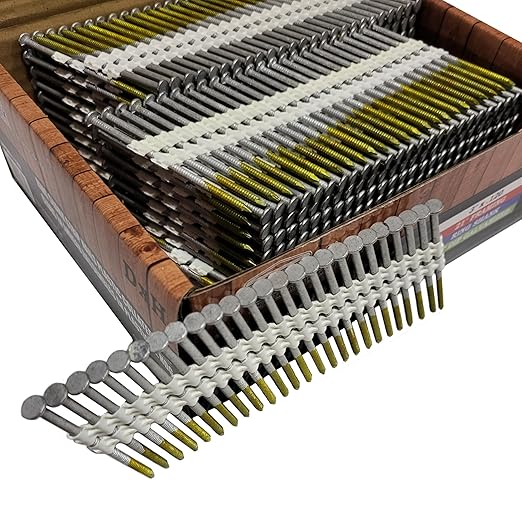
Nails are as essential as screws and bolts in construction. They offer flexibility and ease of use. Let’s explore the different types of nails and specialty fasteners for unique applications.
HDG Strip Nails for Fences
Fences need nails that can withstand the elements. Hot-dipped galvanized (HDG) strip nails are perfect for this. They’re coated to prevent rust and ensure your fence remains sturdy. These nails are typically 2 to 3 inches long, providing a strong hold.
Urgency trigger: The longer you wait to repair your fence, the more it deteriorates. Act now to ensure your fence is secure and looks great.
Masonry Anchors Types
Fastening into masonry requires special anchors. Options include sleeve anchors, wedge anchors, and drop-in anchors. Each has unique properties suitable for different tasks. Sleeve anchors are versatile, wedge anchors offer strong holding power, and drop-in anchors are perfect for overhead applications.
Pattern interrupt: Most people think regular screws work in masonry, but specialized anchors provide the durability you need.
Galvanized vs Stainless Fasteners
Choosing between galvanized and stainless fasteners depends on your project’s environment. Galvanized fasteners are cheaper and rust-resistant, ideal for most outdoor applications. Stainless fasteners offer superior rust resistance and strength, perfect for coastal areas or heavy-duty projects.
Comparison:
Feature | Galvanized Fasteners | Stainless Fasteners |
|---|---|---|
Cost | Lower | Higher |
Rust Resistance | Good | Excellent |
Best Use | General outdoor | Coastal, harsh environments |
In conclusion, the right fastener ensures your project’s success. Whether you’re working on a deck, hanging drywall, or building furniture, the right choice makes all the difference. Visit this ultimate guide to fasteners for more tips. Happy building! 🏗️


